Roofing in Indian Oaks, Lewisville TX
Indian Oaks roofs are reaching the end together. A roofer walks yours and says where it stands.
Give the street and the roof age is usually predictable here.
Roofing in Indian Oaks runs on a single build era
Indian Oaks went up almost entirely inside one thirty-year window, and the roofs went on with the houses. That makes the timing here unusually predictable though the condition still varies house by house.
Detached houses, and the decade that put them up
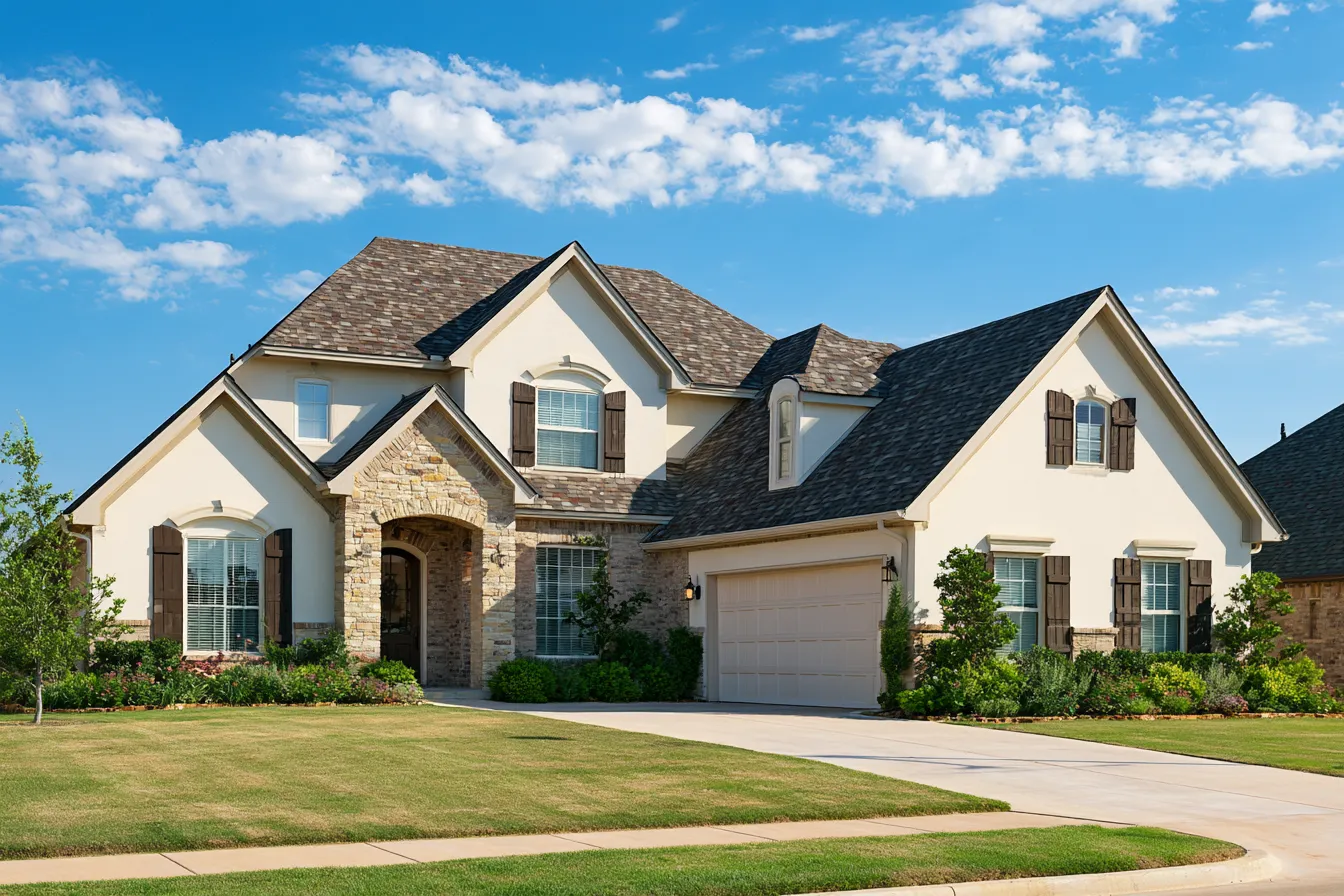
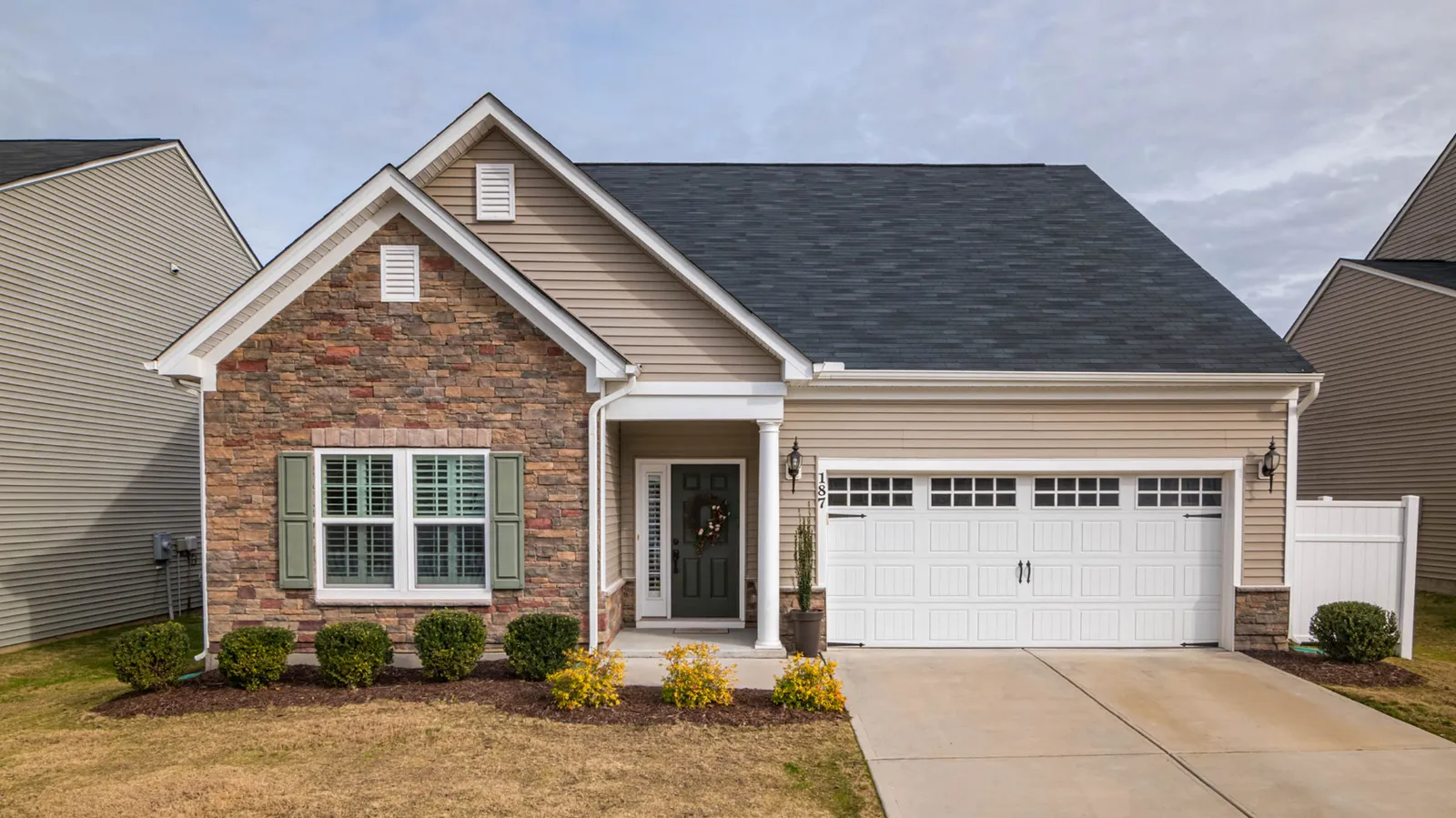
Indian Oaks is a single-family subdivision in the 75067 ZIP, on Babbling Brook, Buffalo Bend and Spring Creek, bounded by South Valley Parkway. Around ninety-six percent of its homes went up between 1970 and 1999, and every one of them is detached.
That concentration is the useful fact for a roof. A street built inside one window reaches the end of a covering inside one window too, which is why a run of tear-offs here is ordinary rather than a sign anything is wrong with yours.
Street reconstruction and what it means for access
The city has the Indian Oaks Project scoped here, reconstructing street and utility infrastructure through the neighborhood.
That matters practically, not structurally: dumpster placement, material drops and crew parking all get harder on a street that is partly open, and it is worth raising when the work is scheduled rather than on the morning it starts.
- 01Access on the day
- A reconstructed street can narrow what is available for a dumpster. Say so early and the roofer plans around it.
- 02One build era
- Nearly all detached, nearly all 1970 to 1999. Neighboring roofs are usually the same age as yours.
- 03Second coverings
- Many are on their second by now, which changes both the tear-off and the deck underneath.
Street and boundary details come from the city's Indian Oaks project papers, and the build-era share from a census-tract analysis.
Where Indian Oaks sits inside the city line
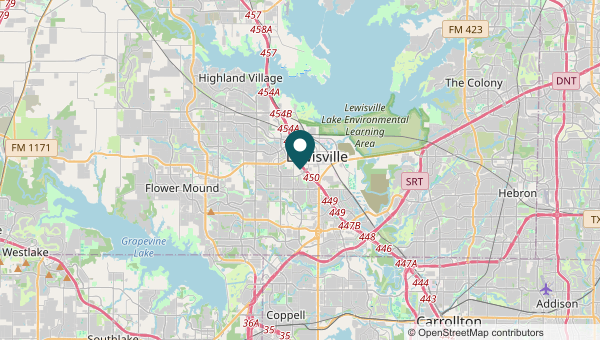
The streets off South Valley Parkway, inside the city line. The other neighborhoods inside the line are listed on the service areas page.
The work these roofs ask for most
What a single-era street asks for. Most of it is second-covering work by now. On a street this age the question is usually replacement and what drives its cost.
Roof Replacement
Stripped to the bare deck, the sheathing checked while it is visible, and the assembly rebuilt new.
See the detailsRoof Repair
One plane of work, found by tracing the water uphill to its entry point.
See the detailsRoof Inspections
The roof walked and photographed, with a plain report you keep whether or not anything follows.
See the detailsStorm and Hail Damage
Marks that hail leaves are counted on the roof, close up.
See the detailsRoof Leak Repair
The entry point is rarely above the stain, so finding it comes before fixing anything.
See the detailsEmergency Roof Repair
Water stopped first, permanent work after, with the limits of a tarp stated up front.
See the detailsAccess during roadwork, decking age, and matching a street
What comes up on a street the city is actively rebuilding. The roof questions and the access questions are separate.
Can a roof be done while the street is torn up?
My neighbors are all replacing theirs. Should I?
Are these roofs usually on their second covering?
Have your own decking looked at, not the street
The build era gives you the timing and the roof gives you the answer. One of those is knowable from a map; the other is not.
Prefer to talk? Call now: (469) 240-5301
The roofer who takes the job sets the schedule and the warranty terms. There is nothing to decide on the spot.
Mention the roadwork and a roofer plans access around it.