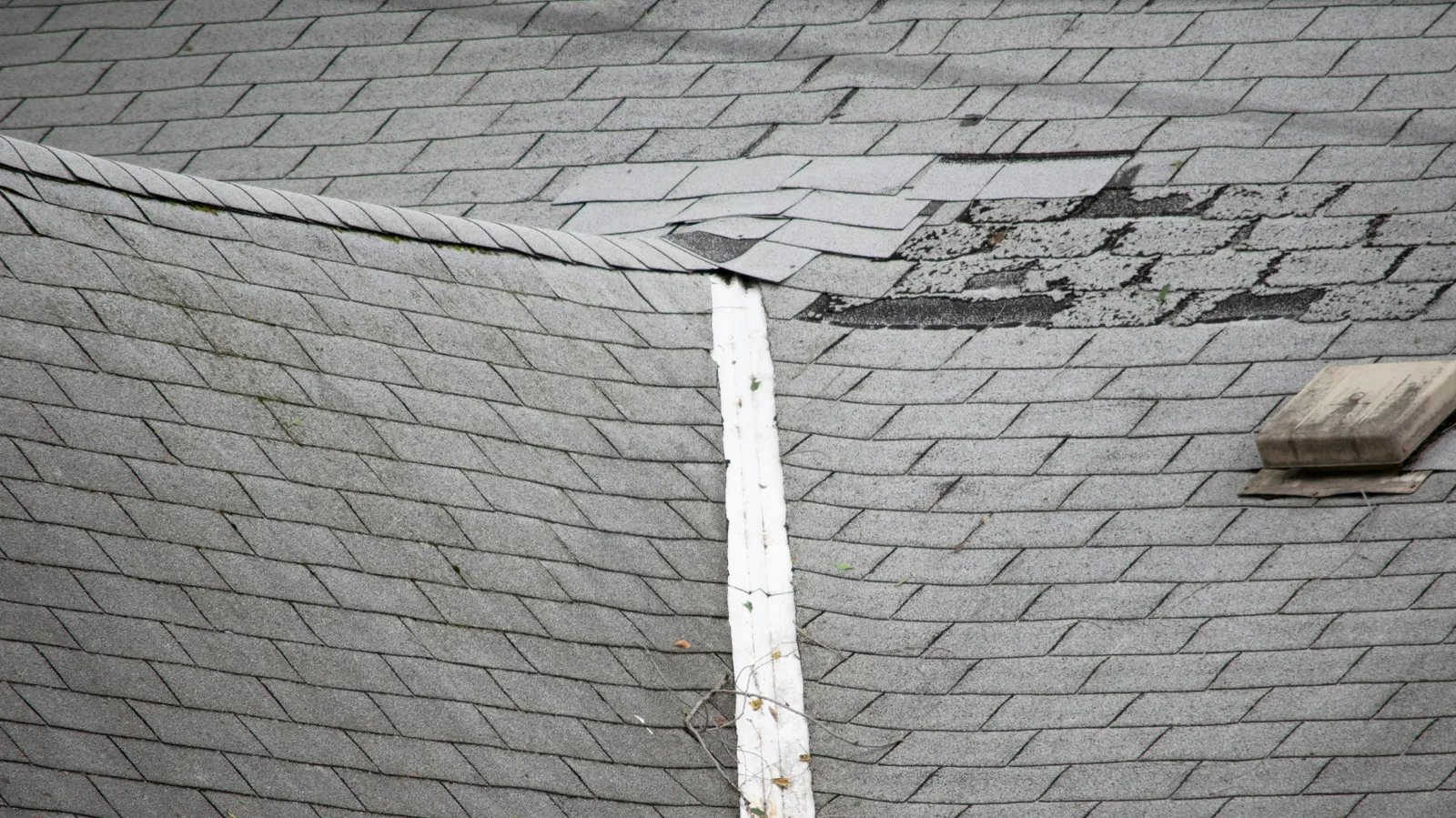
Roof insurance claim in Lewisville, TX
A roof insurance claim stays yours: you file it and your carrier decides it. A roofer documents the damage.
A roofer documents the damage first, and the evidence goes in before any decision.
A roof insurance claim in Lewisville, TX stays in your name
A roof insurance claim in Lewisville, TX belongs to the homeowner from the day it opens to the last check. You file it, your carrier decides it, and the policy is between the two of you. A roofer's part is to find the damage, photograph it, and price the repair in terms an adjuster can read. The roofer partners with you on the evidence, not on the claim: up on the roof when the adjuster is, documenting what a policy needs to see.
Anyone who offers to handle your claim for you is offering something that is not theirs to handle, and in Texas that is a licensed role: a public adjuster.
- Yours: filing, the deductible, and every decision along the way
- The carrier's: what they will pay for and the amount
- The roofer's: the evidence, the estimate, and the work itself
The order a claim actually runs in
A description of how claims commonly go. Nothing here predicts what your carrier will decide. The damage itself is documented the same way it would be for hail work, and the storm record is what puts a date on it.
The roof is inspected and photographed
Before the call, so the conversation with the carrier starts from evidence instead of suspicion.
You file with your carrier
The date of the storm matters here, which is why a dated inspection is worth having.
The adjuster inspects
A roofer can be on the roof at the same time, which is common and usually helpful.
The scope is agreed, then the work happens
If the approved scope misses damage that is demonstrably there, a supplement is the normal route.
Replacement cost against actual cash value
The single distinction that changes what you receive. Which one you have is written on your policy rather than decided by anyone here.
| Replacement cost (RCV) | Actual cash value (ACV) | |
|---|---|---|
| What it pays | The cost to replace the roof with a comparable new one | That cost minus depreciation for the age and wear of the old roof |
| When you get it | Often in two parts: an initial payment, then the held-back depreciation once work is done | Usually a single payment |
| Your exposure | The deductible, plus anything the carrier did not approve | The deductible plus the depreciation the policy does not return |
| On an older roof | Depreciation is recoverable, so age hurts less | Depreciation is not returned, so age matters a great deal |
What an adjuster is looking for on a Denton County roof
Not a prediction of approval. These are the things that get examined. The same marks are what hail work is priced from, and an inspection is how they get documented.
- Marks per section of roof, and whether they are spread or clustered
- Whether the damage is consistent with a dated storm in the area
- Dented gutters, vents and screens, which corroborate what is on the slopes
- Wear and age, which affect an ACV settlement more than an RCV one
- Prior repairs, and whether they were done properly
- Anything that looks like it was caused after the fact
Approval is the carrier's decision. Nothing on this page predicts it or influences it.
The 25 percent rule, and whether a 20-year-old Texas roof is covered
The questions people arrive with, answered directly.
What is the 25 percent rule for roofing?
Will insurance cover a 20-year-old roof in Texas?
Should I file before or after an inspection?
Can a roofer negotiate with my carrier for me?
What if the approved estimate misses damage?

Our roofers document it, and you arrange the adjuster visit with them
Two people looking at the same roof at the same time settles more than two reports written a week apart. Our roofers document what is there, and you can arrange for one to be on the roof while the adjuster is, at your request and on your schedule.
Prefer to talk? Call now: (469) 240-5301
Any claim, and any decision to file one, belongs to the homeowner and their carrier. Getting the damage documented puts you under no pressure to claim.
A dated inspection gives you something to hold when the adjuster arrives.