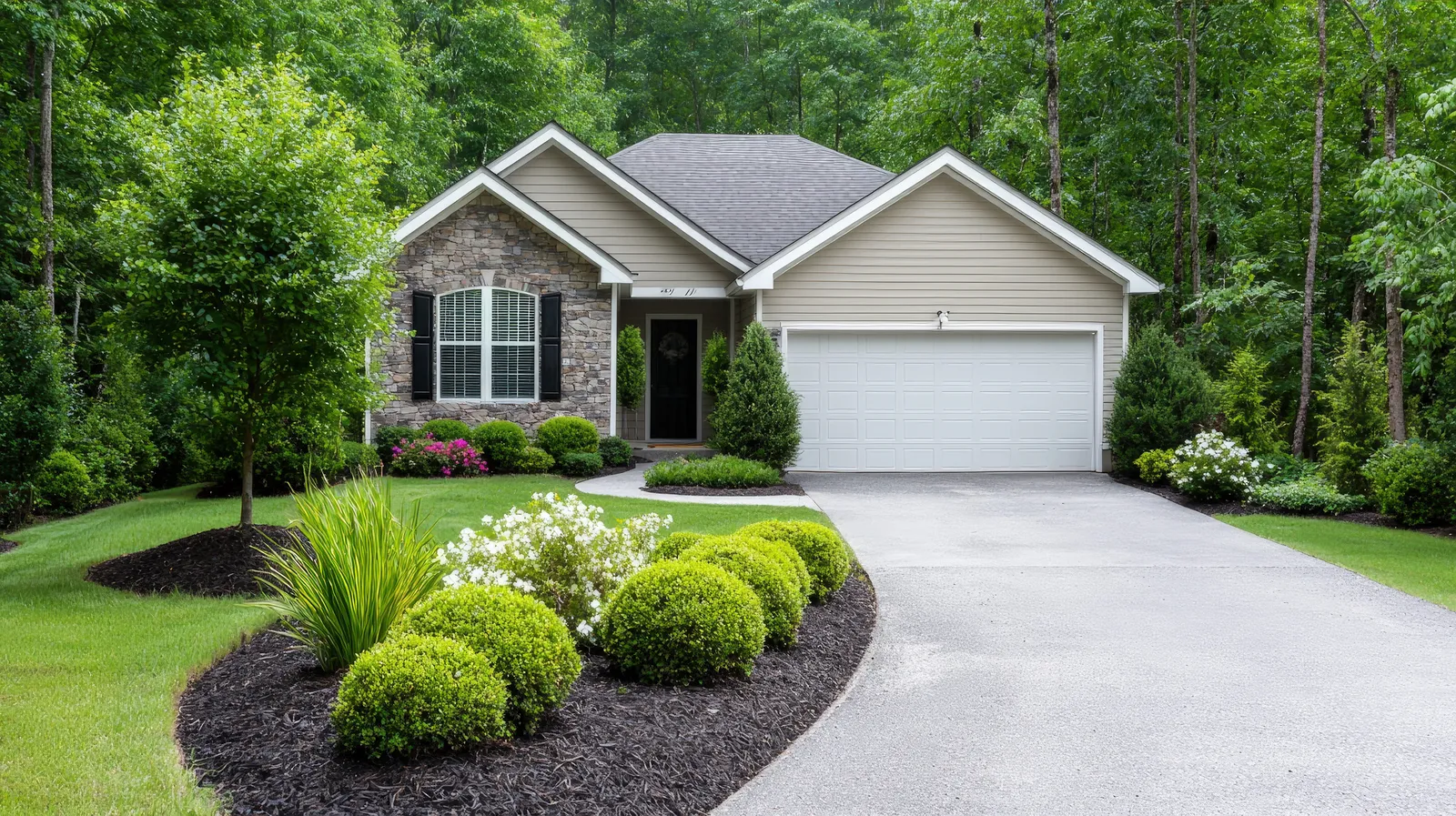
Roofing materials in Lewisville, TX
The roofing materials here are asphalt, metal, tile and low-slope membranes. Hail is the first filter.
The deck decides much of it, and that gets checked before anything is recommended.
Roofing materials in Lewisville, TX answer to hail before anything else
Denton County records damaging hail most springs, and most of what gets logged comes down at an inch or bigger. That moves impact behavior from a nice-to-have to the first thing the roofer raises, ahead of appearance and ahead of headline lifespan.
The second filter is the house itself. Slope, deck and structure rule some materials out entirely, which is why this decision narrows fast once a roofer has been up there.
- First filter: how the material behaves when hail lands on it
- Second filter: what the slope and the deck will actually carry
- Third filter: how long you intend to hold the house
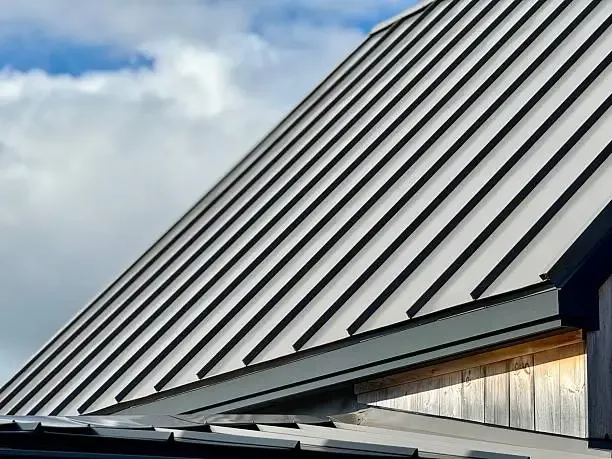
Asphalt, metal, tile and the low-slope membranes
Four families, described neutrally. Low-slope membranes are included because this town is not uniformly steep-slope shingle, particularly along the southern commercial corridor.
Asphalt shingle
The default on most houses here, in three-tab, architectural and impact-rated grades. Cheapest to install, simplest to repair, and the shortest-lived of the four.
Metal panel
Standing seam or exposed fastener. Long service life and excellent wind performance. It dents under large hail, usually cosmetically, which is the trade-off worth understanding before choosing it.
Concrete or clay tile
Very long-lived and heavy enough that the structure has to be checked before it is even an option. Individual tiles crack under hail and are replaced piece by piece.
Low-slope membrane
TPO, modified bitumen and similar systems for flat and low-slope roofs. These fail at seams and terminations rather than across the field, so installation quality carries more weight than brand.
* Figures for warranty and insurance differ by product and by carrier, and the estimate pins them down before anything starts. Which manufacturer warranty covers the roof follows from the system that goes on it.
How each material behaves in hail, heat and wind
Compared on behavior. Service life figures are typical industry ranges, and the wind that arrives with it matters as much as the stone size. Two of these have pages of their own: asphalt shingles and metal.
| Asphalt | Metal | Tile | Membrane | |
|---|---|---|---|---|
| Under hail | Bruises and loses granules | Dents, rarely perforates | Individual tiles crack | Punctures are possible, and patchable |
| Under heat | Ages faster on poorly vented attics | Reflects well, expands and contracts | Very stable | Reflective grades run cooler |
| Under wind | Rated by grade, tabs lift first | Strong when fastened correctly | Heavy, but individual tiles move | Edge terminations are the weak point |
| Typical service life | 25 to 30 years | 40 to 50 years | 50 years and beyond | 20 to 30 years by system and thickness |
| Repair | Simple, matching gets harder with age | Panel-level work | Tile by tile | Seam and patch work |
Best material for Texas weather, and what that really means
Answered with the trade-offs, because the answer depends on the house. Each of these is covered on its own page, starting with asphalt and metal.
What is the best roofing material for Texas weather?
Is metal worth the extra cost over asphalt?
How do asphalt and metal compare on hail?
Can I put tile on my house?
What about the flat section over my porch?
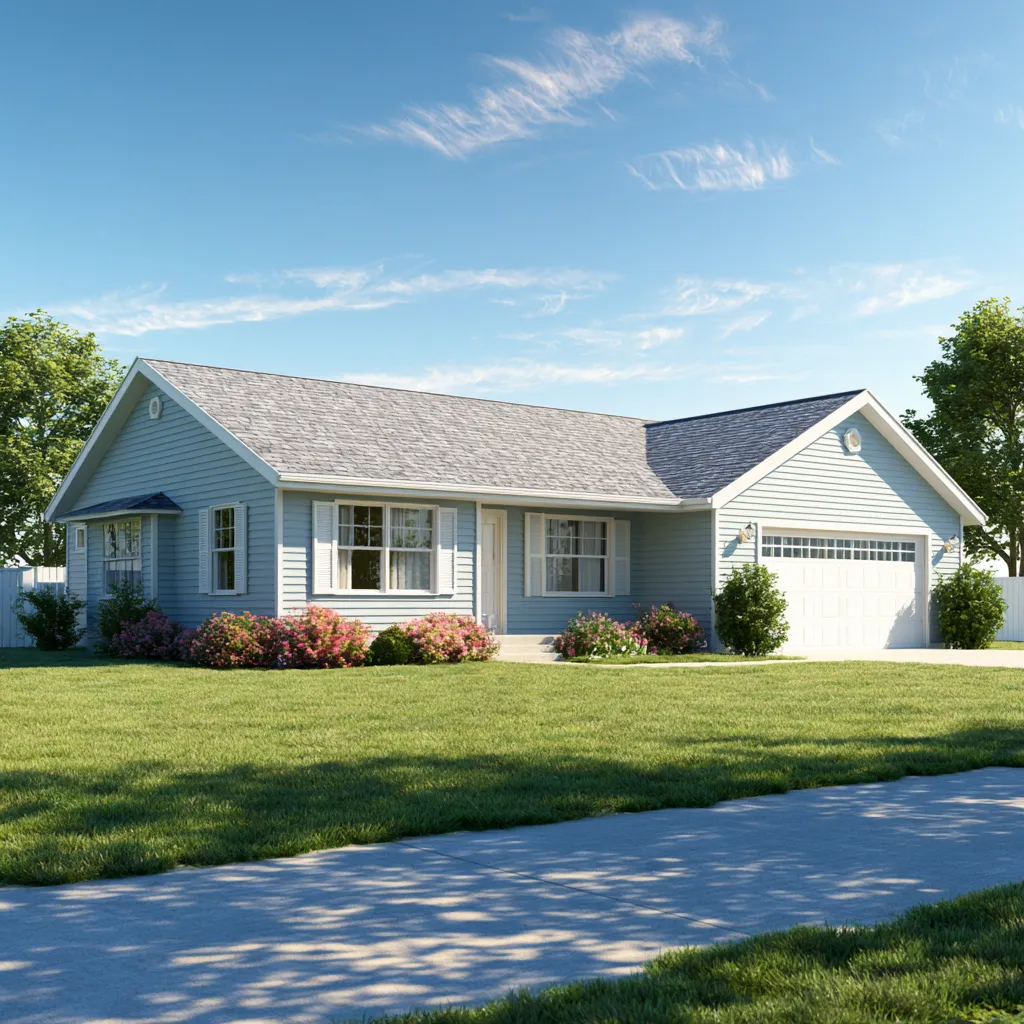
The roof you have decides which of these is realistic
Slope, deck condition and structure rule options in or out before budget does. A roofer can tell you which of these four are live on your house in one visit, which is a shorter conversation than reading four brochures.
Prefer to talk? Call now: (469) 240-5301
Ask about any of them and think it over afterwards.
Describe the house and a roofer narrows the material list quickly.