
Roofing warranty in Lewisville, TX
Two warranty documents cover a roof, and they cover different failures. Knowing which is which matters later.
Ask for the terms and your roofer puts the warranty in writing.
A roofing warranty in Lewisville, TX is always two warranties
A roofing warranty in Lewisville, TX comes in two pieces that people routinely mistake for one. The manufacturer warrants the material and the roofer warrants the workmanship, and the overwhelming majority of roof failures in the first decade come down to workmanship.
The distinction matters before you sign, because the two documents come from different parties, run for different lengths of time, and are claimed in completely different ways.
- The manufacturer's: covers defects in the shingle or membrane itself
- The roofer's: covers how it was installed, which is where early failures live
- Both come in writing before the work starts
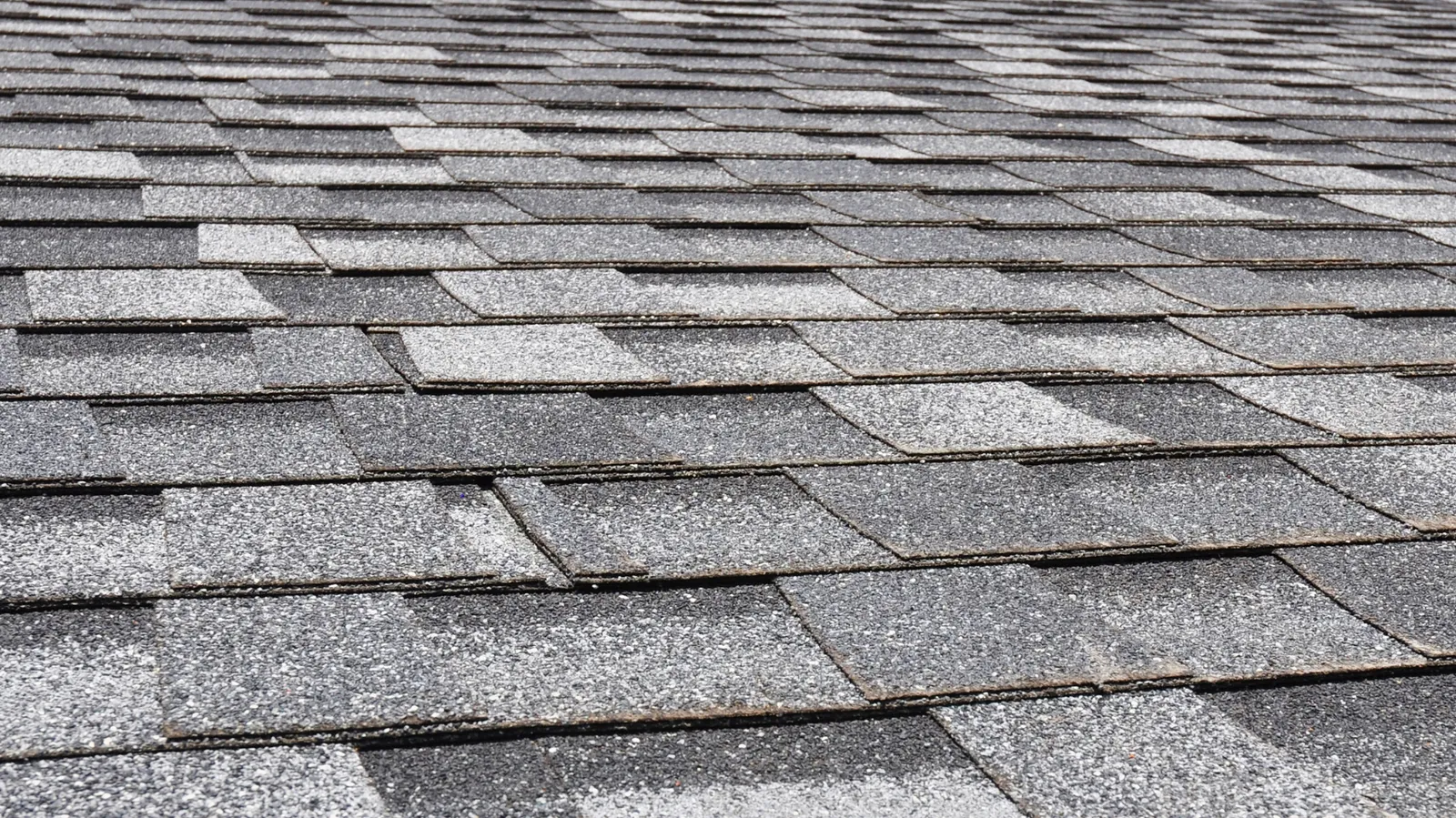
Manufacturer against workmanship, term by term
Generic policy mechanics. Your own terms come from your own roofer and your own product, in writing. Both documents arrive with the work, so they are worth reading beside what a replacement involves and what it costs.
| Manufacturer warranty | Workmanship warranty | |
|---|---|---|
| Who issues it | The shingle or membrane maker | The roofer who installed it |
| What it covers | Defects in the product itself | Installation: nailing, flashing, ventilation, details |
| Typical term | Long, often decades, usually prorated after an early full-coverage period | Shorter, and it varies widely between roofers |
| Common exclusions | Improper installation, inadequate ventilation, storm damage | Storm damage, work by another trade afterwards, neglect |
| How it transfers | Often transferable once, sometimes with a fee and a deadline | Depends on the roofer's workmanship terms |
| Who you contact | The manufacturer, usually through the roofer | The roofer directly |
What voids a warranty faster than weather does
Most warranty disputes are not about the storm. They are about one of these. Most of these surface during a repair or an inspection.
- Inadequate attic ventilation, which manufacturers routinely name as an exclusion
- A second layer laid over the first, where the product specification forbids it
- Repairs by another trade that disturb the roof system
- Fasteners or accessories outside what the product specification calls for
- Registration deadlines missed, where the product requires registering the warranty
- The roofer going out of business, which ends a workmanship warranty regardless of its stated term
Exclusions vary by product and by roofer. These are the categories, and your own documents are the authority.
Transfers, exclusions, and who you call when it fails
Warranty terms get read carefully exactly once, years after signing and usually too late. Reading them now is the cheaper version of the same exercise.
Which warranty covers a leak two years after the job?
Does the warranty transfer if I sell the house?
What happens if the roofer goes out of business?
Are extended manufacturer warranties worth it?
Does this site stand behind any of it?
Ask for both warranty terms in writing before you sign
Two documents, requested before the work starts. A roofer who hands them over without hesitation has answered a question about more than the warranty.
Prefer to talk? Call now: (469) 240-5301
Both warranty documents come from the parties that issue them, not from this site. Asking to read them first carries no obligation at all.
The terms come from the roofer, in writing, before the work starts.