
Roof inspection in Lewisville, TX
A roof inspection gets a roofer up on the roof, photographs what is found, and leaves a written report that stays yours.
Ask for the look, a roofer walks it, and the report is yours to keep.
What a roof inspection in Lewisville, TX actually covers
Ask three roofers for a free roof inspection in Lewisville, TX and you can get three different things: a walk-around from the driveway, a ladder to the eave, or someone up on every slope. The difference decides whether the report is worth anything, so it is fair to ask which one you are getting before anyone arrives.
What follows is what a full inspection covers. The findings come back as photographs with the damage marked, which is the part you keep and the part a second opinion can be built on.
- Walked: every slope that can be safely reached, not just the visible ones
- Checked: flashings, penetrations, valleys, ridge and the gutter line
- Recorded: photographs of what is wrong, marked where it was found
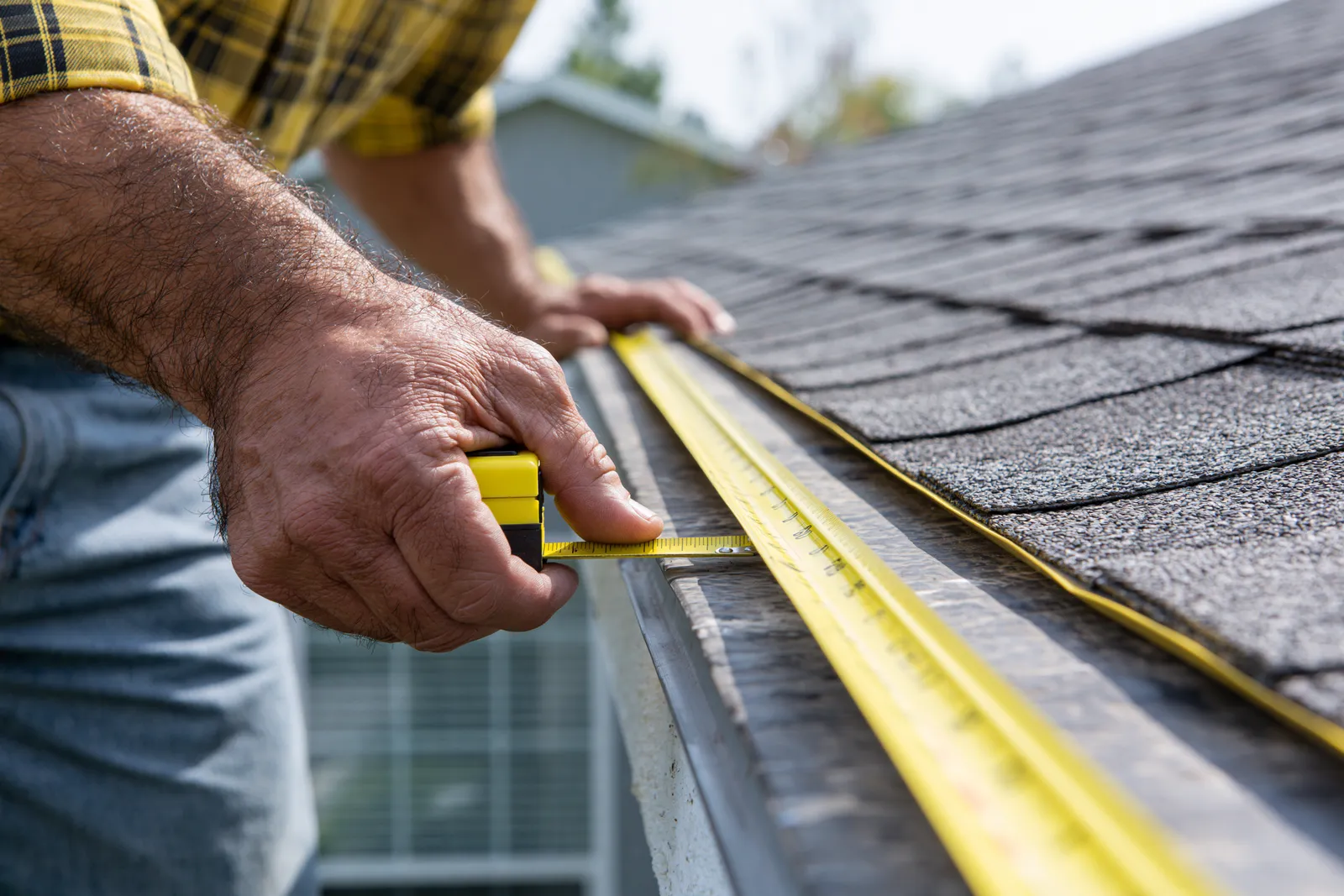
Every plane of a Lewisville roof, the penetrations, and the attic
The attic is the conditional one. Many houses do not allow access, and a roofer will say so rather than pretend otherwise. What the walk finds decides the next step, whether that is a repair, a replacement, or a storm claim.
- 01The slopes, walked
- Granule cover, tab condition, creasing and any bruising, checked by hand where hail is in question. Bruising reads through the fingertips before it reads in a photograph.
- 02Flashings
- Walls, chimneys, skylights and anything else the roof meets. This is where most leaks begin.
- 03Penetrations
- Pipe boots, vents and fan housings, which harden and split on their own schedule. They are the cheapest thing on a roof to put right early.
- 04Valleys and ridge
- The two lines that carry the most water and the most wind. Both show wear long before the open field does.
- 05Gutter line and fascia
- Granule build-up in the trough, and whether the board behind it is still sound. Heavy granule build-up in the trough is a useful age marker.
- 06Attic, where reachable
- Daylight, damp decking and rusted nail points, which show entry long before the outside does. A morning visit catches daylight through the deck that an afternoon one misses.
The inspection and anything that follows from it belong to the roofer who performs them.
How long the roofer is on the roof, and what comes back
A description of ordinary practice and never a booking window. The roofer sets the time.
You send the address and the reason
Storm, a stain, an age concern, or a sale coming up. The reason changes what gets looked at hardest.
The roofer is on the roof
Usually somewhere between half an hour and an hour on a typical house, longer where there is hail to count.
Findings are photographed on the spot
Marked where they were found, so a picture can be matched to a place on the roof later.
You get the report
What was found, what it means, and what it does not mean. A clean roof is a legitimate result.
The moments when a roof is worth looking at
None of these means damage on its own. Together they are the usual reasons a roof gets walked. When a storm is the reason, storm damage covers what that visit looks like, and most of them end up at roof repair.
- The roof passed fifteen years and nobody has been up there since
- Hail came through the street and the neighbors are getting roofs done
- You are buying or selling and need the condition on paper
- A ceiling mark appeared once and has not come back
- Gutters filling with granules faster than with leaves
An inspection reads an older Lewisville roof and a newer one differently
Lewisville's streets were built decades apart, so the same walk turns up different things depending where you are. A roofer photographs what is up there, which is not always what the age suggests.
- 01The older sections
- Granule loss and brittle tabs surface first on the housing from the 1970s and 1990s growth.
- 02The newer sections
- On a later roof the flashing and the penetrations usually age ahead of the open field.
- 03The written record
- The report and the photographs stay yours whichever era the roof belongs to.
Free, obligation, and what the report is good for
The suspicion behind the word free, answered directly. It is a fair suspicion and it deserves a direct answer.
Why would an inspection be free?
What do I get?
Can I use the report for an insurance claim?
Will I be told the roof needs replacing?
Do I need to be home?

Book the inspection and see what is up there
Most roofs are never looked at closely until something has already gone wrong. An hour on the roof turns guesswork into a set of photographs, and if the answer is that the roof is fine, that is worth having on file too.
Prefer to talk? Call now: (469) 240-5301
The report stays yours whichever way you go, with no obligation.
Say what prompted it and a roofer takes the inspection from there.