
Commercial roofing in Lewisville, TX
Commercial roofing means flat and low-slope systems, planned around the tenants underneath and the budget year.
The address and the roof age are enough for a roofer to price it.
Commercial roofing in Lewisville, TX is decided by the deck
Commercial roofing in Lewisville, TX turns on what is underneath the membrane. Square footage matters less than most people expect. Steel, concrete and wood decks each rule some systems in and others out, and the insulation between deck and membrane decides whether a roof can be recovered or has to come off entirely.
The first useful question about a commercial roof is therefore rarely how big it is. A moisture survey and a core sample answer more than a walk-around does.
- The deck: what the building is built on, and what it will carry
- The insulation: dry, and the roof can often be recovered; wet, and it comes off
- The tenants: what disruption the building can absorb while work happens
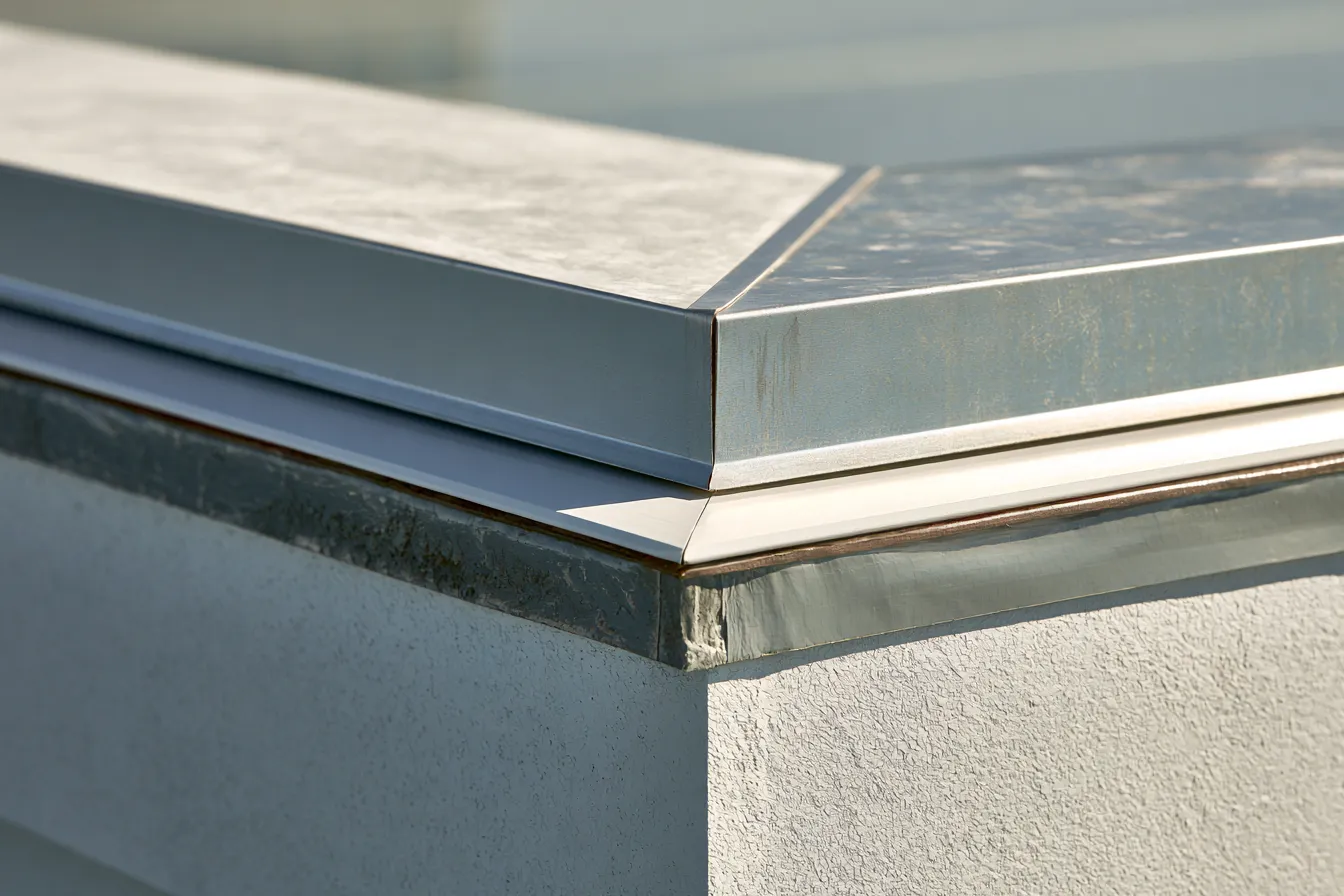
Membrane, coating or tear-off, matched to the building
Three routes, and the honest one depends on what a moisture survey finds.
Coat
The membrane is sound and the insulation is dry. A coating adds years at the lowest cost and the least disruption.
Recover
The existing system is tired but the insulation is dry. A new membrane goes over the old one, avoiding a full tear-off.
Tear-off
The insulation is wet, or the assembly has failed. Everything comes off to the deck and the roof is rebuilt.
Phased tear-off
The same work, split across sections or budget years. The building stays open and the spend is spread.
Which route applies is a finding, not a preference. A roofer who recommends a tear-off should be able to show you the wet insulation.
What sits between the deck and the weather
The assembly, from the structure upward. Each layer is a line on a proper commercial estimate. The three routes below are covered in depth on TPO, flat roof replacement and coatings.
- 01The deck
- Steel, concrete or wood. Its condition and capacity constrain everything above it.
- 02Vapor retarder
- Used where the building's interior humidity requires it, and omitted where it does not.
- 03Insulation
- Thickness set by the energy code in force and by what the building needs. This is the layer moisture ruins.
- 04Cover board
- The layer that protects the insulation from foot traffic and gives the membrane something solid to bond to.
- 05Membrane
- TPO, modified bitumen or another single-ply, chosen to suit the building.
- 06Flashings and terminations
- Every parapet, curb, drain and penetration. This is where low-slope roofs fail.
Every layer here is work a commercial roofer performs, and the system warranty terms come from the roofer and the manufacturer.
Work sequenced around the tenants underneath it
The sequence a commercial job follows. Dates are the roofer's and the weather's. Smaller low-slope sections are covered on flat roof repair, and a build from scratch on new construction.
Survey and core sample
A moisture survey finds wet insulation, and a core sample shows exactly what the assembly is. This is what separates a real estimate from a guess.
Sections and phasing agreed
Which sections, in what order, and around which tenant hours. Staging and crane or hoist access get settled here rather than on the day.
Section by section, dried in daily
No section is left open overnight. That constraint is what makes phasing slower and why it is worth insisting on.
Terminations, then a walk
Flashings, curbs and drains finished, then a walk-through with whoever signs the roof off.
Warranty terms, tenant access, and how a bid gets compared
The questions that come up on a commercial building, answered the way a property manager would want them. Warranty terms, tenant access, and how bids get compared.
How do I compare two commercial bids?
What warranty comes with a commercial roof?
Can the building stay open during the work?
How disruptive is a tear-off over tenants?
Do you handle small commercial buildings?
Send the address and the roof's age, if you know it
Those two facts let a commercial roofer say something useful before anyone visits. If the age is unknown, the building records or a core sample will settle it, and that is part of the survey.
Prefer to talk? Call now: (469) 240-5301
The request goes to a person and not into an automated system.
Address, age, and what is going wrong give a roofer enough to size the job.