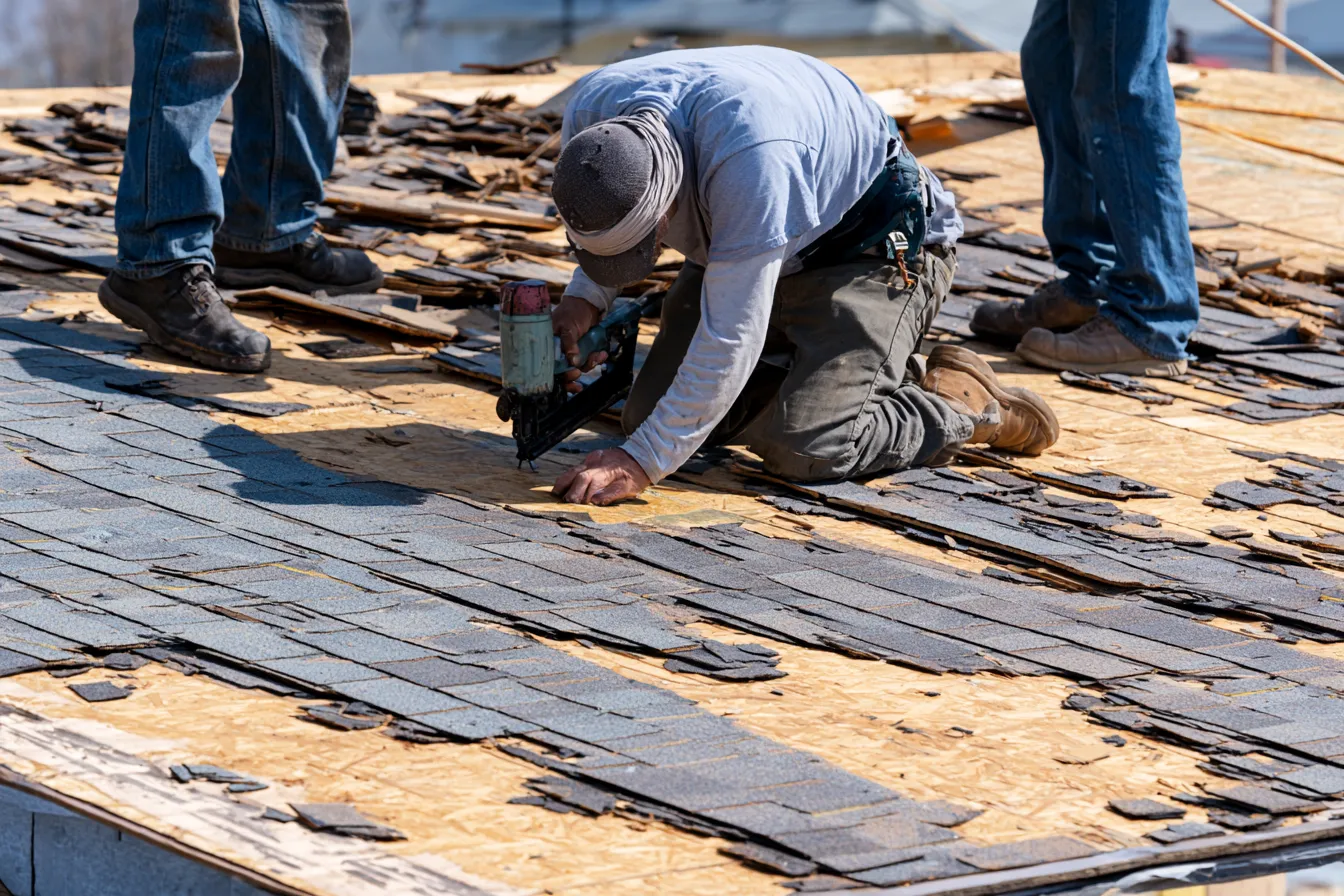
Roof repair in Lewisville, TX
Most roof repairs are one small area done properly. Text a photo; the roofer who takes it finds where the water is getting in.
Text one photo of the trouble spot and a roofer works out where to look.
Roof repair in Lewisville, TX is a small job done in the right place
Roof repair in Lewisville, TX is usually one plane of work, and the value is almost entirely in finding the right plane. A repair put in the wrong place costs the same as one put in the right place and buys nothing, which is why the search matters more than the patch.
The search is not complicated, but it takes someone on the roof. Water runs along decking and rafters before it shows itself inside, so the wet spot on the ceiling is rarely underneath the hole.
- Found: the actual entry point, traced on the roof
- Photographed: what is wrong, before anything is touched
- Priced: the fix itself, with the reason it failed written alongside
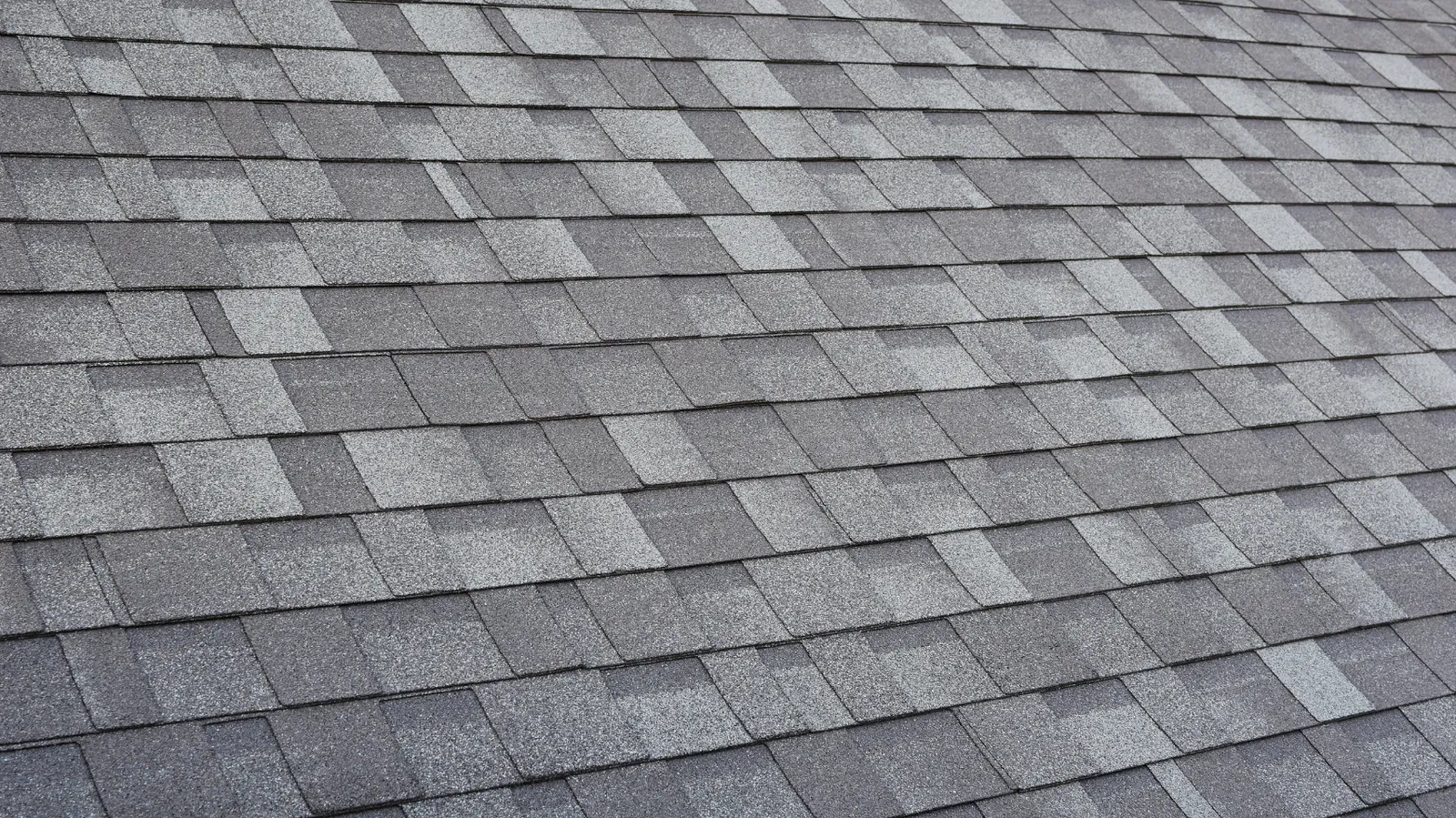
Flashing, boots, valleys and ridge - where Lewisville leaks actually start
Ordered roughly by how often each turns out to be the culprit. Field shingles are further down the list than most people expect. When the count of these gets high enough, the conversation turns into a replacement and its cost drivers.
- 01Flashing at walls and chimneys
- Step and counter-flashing take the most weather of anything on a roof and are the most common single source. Sealant smeared over a failed piece buys a season at most.
- 02Pipe boots
- The rubber collar around a vent pipe hardens and splits, usually years before the shingles around it are finished. A replacement collar is a small part and a short visit.
- 03Valleys
- Two slopes worth of water runs through one channel, so a valley fails from volume rather than from age. Debris sitting in the channel speeds the whole process up.
- 04Ridge and hip caps
- Wind lifts caps first. A shifted or split cap opens the highest line on the roof.
- 05Fasteners
- Backed-out nails push a small tent into the shingle above them and let water underneath. On a low-angle roof the pattern is often visible from the ground.
- 06Field shingles
- Wind-creased or hail-bruised tabs, which are a repair when isolated and a replacement question when widespread. The count across the slopes decides which of the two it is.
The repair and the workmanship behind it belong to the roofer who does the work.
Water is traced uphill before a Lewisville roof gets opened
Finding comes first, and it is the part worth paying attention to. The steps that follow are where both the cost and the outcome get decided. If the count comes back high, the same visit covers a replacement and its cost drivers.
The interior evidence is mapped
Where the stain is, which direction it runs, and whether it moves when it rains or only afterwards.
The attic is read from underneath
Daylight, wet decking and rusted nail points show the entry long before the outside does.
The roof is walked above that point
Uphill of the interior mark, because water travels down the rafters before it drops.
The fix is priced with a reason attached
What failed, why it failed, and whether anything around it is close behind.
Water gets in uphill of the stain it makes
Signs worth acting on, and the reason a ceiling mark is a poor map. Any one of them is worth a look, and two together usually means water is already inside. When water is coming in right now, emergency work is the faster route, and permits cover what the city expects afterwards.
- A stain that grows after rain and dries slowly between storms
- Bubbling or peeling paint on a ceiling with no plumbing above it
- Granules collecting at the downspout outlet
- A shingle tab that lifts by hand where the others hold
- Rust marks around nail heads visible from inside the attic
- Daylight anywhere through the decking
Ground and attic-level checks only. Nothing here is an instruction to get on the roof.
Small, mid and large Lewisville repairs behave differently
Repairs fall into three rough shapes, and the difference between them is how much has to come apart to reach the problem. The size of the hole matters less than where it sits.
Get the roof looked at- Small: one boot, one flashing, a handful of tabs, reachable in a single visit
- Mid: a valley or a full wall line, where surrounding material has to come off and go back
- Large: several planes at once, at which point a repair starts competing with a replacement
- Access: steep pitch, height and what is underneath the eaves change every band
A 1993 roof repairs differently than a 2005 one
Age changes what a repair even means. On a covering past thirty, the shingles around the damage are brittle enough that lifting them to work costs you some of them, and a matched replacement tab is unlikely to exist. On a younger roof the same repair is routine.
Most houses in the middle of town sit at the older end of that, which is why a roofer here will often tell you what the repair buys you in years before quoting it.
- 01Brittleness
- Old asphalt cracks when lifted, so the working area around a repair grows with the age of the roof.
- 02Color match
- Weathered granules shift over years and new shingles will not match them. A sound repair can still be visible from the street.
- 03What it buys
- A repair on a finished roof buys time. A roofer who says so plainly is worth listening to.
Housing figures come from census data for Lewisville.
Tarps, patches, and when repairing stops making sense
The questions that come up while water is still coming in. The answers assume you want the leak stopped before anything else.
Can I just tarp it myself?
Will a repair match the rest of the roof?
When does repairing stop making sense?
Who covers the repair afterwards?
How fast can someone look?
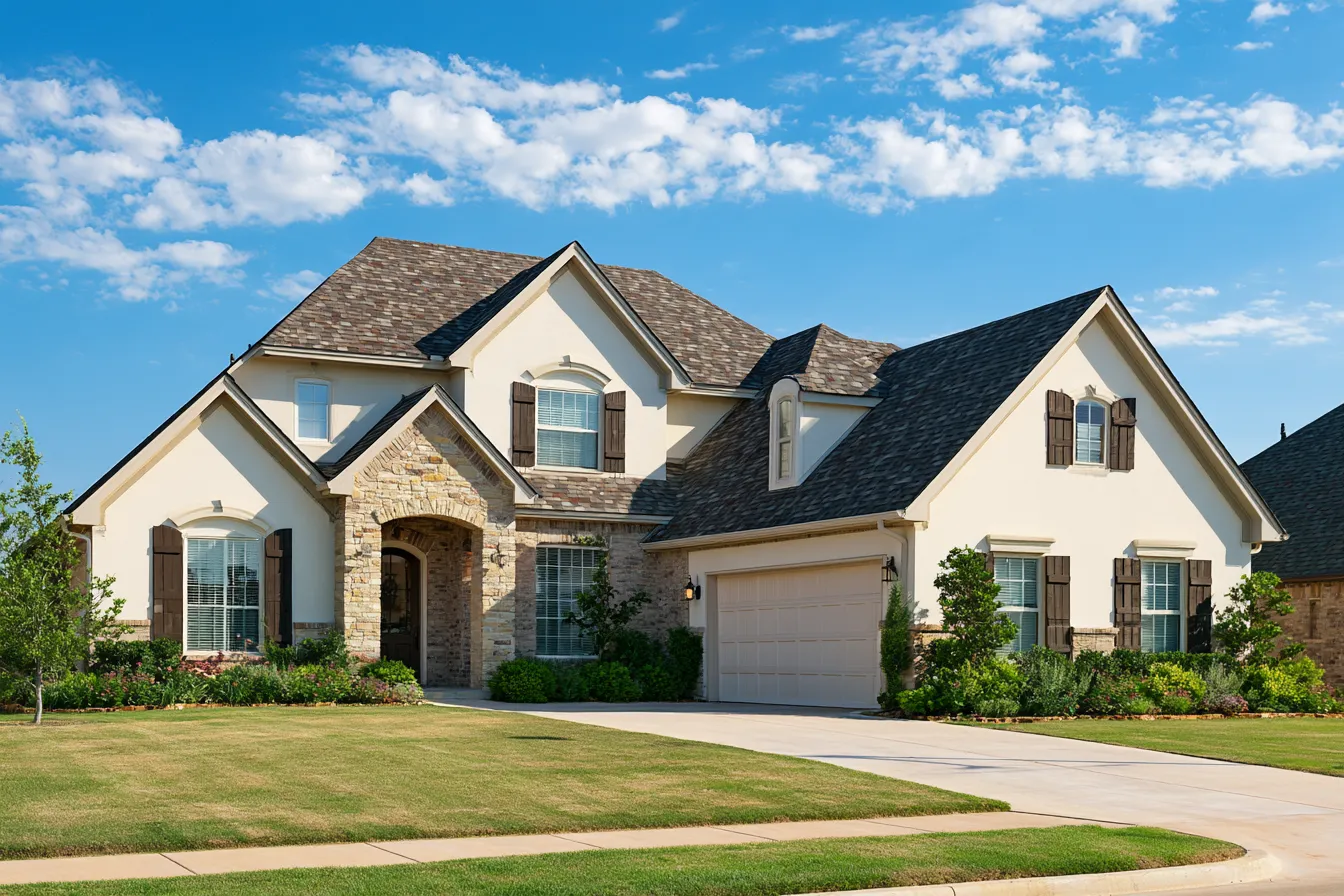
Text the photo first; it saves a visit either way
A picture of the stain inside and the roof outside above it often narrows the problem before anyone arrives. If it turns out to be a boot or a flashing, that is a short job and you will hear so.
Prefer to talk? Call now: (469) 240-5301
A description of the problem is read by a person before anyone visits.
Send a photo of the stain and the roofer starts from there.